OTHER ETIQUETTES OF NAMAZ
Before you begin with the recitation (qira’ah: reciting certain Quranic chapters in the prayers), you may say the statement of seeking protection (isti’adhah) in a low tone:
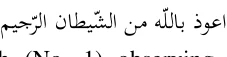
You may then recite Surah al-Faatehah (No. 1) observing all etiquettes, having your heart present, and pondering over the meanings of the Surah. When you finish, you may pause for a while that is as much as one breath. Then, you may recite any Surah of the Holy Qur’an, although it is advisable to recite such Surahs as Surah al-Naba’ (No. 78), Surah al-Insan (or al-Dahr, No. 76), or Surah al- Qiyamah (No. 75). Upon finishing reciting the second Surah, you may also pause for a while that is as much as one breath. You may then raise your hands up to the lower part of your ears while uttering the Takbir statement. You may then genuflect, putting your right hand on your right knee and then your left hand on your left knee, opening up your fingers as if you are holding fast to your knees. You may also bow your back and stretch your neck at the level of your back, casting your sight on the space between your two feet and saying the following:
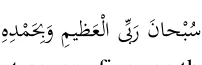
It is highly advisable to repeat this statement seven, five, or three times. Before that, you may have said the following:
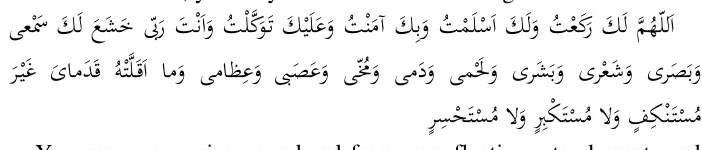
You may now raise your head from genuflection, stand erect, and say the following:
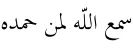
You may then utter a Takbir statement and fall down for prostration with full submission and reverence. You may stretch your palms and put them on the ground before you put your knees on the ground. You may prostrate on a prostration-clay made of the soil taken from Imam al-Husayn’s tomb. While prostrating yourself, you should utter the statement of prostration once although it is favorable to repeat it seven, five, or three times. Before that, you may have said the following:

You may now say the prostration statement. Then, you may raise your head from the position of prostration and sit down. While doing this, it is recommended to utter the Takbir statement and to sit on your hip, saying the following:
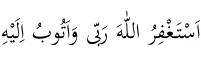
You may also say the following:

You may then utter the Takbir statement and prostrate yourself again, doing the same as what you have done in the first prostration. You may then raise your head and sit for rest. You may then stand up saying,
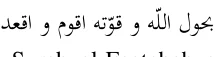
When you stand erect, you should recite Surah al-Faatehah and another Surah, preferably Surah al-Tawheed, after which you may say the following three times:

You may then say the Takbir statement and raise your hands to the level of your face turning the inner surface (i.e. palm) of your hands towards the sky and combining all your fingers, except the thumb, together and say any of the Qunut supplications, preferably choosing words of praying for relief. After that, you may say the following:

You may say the following thereafter:
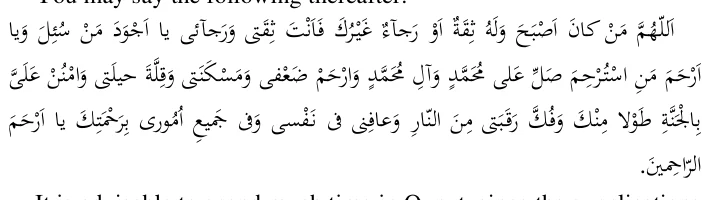
.
It is advisable to spend much time in Qunut, since the supplications to be said in Qunut are too many.
You may then say the Takbir statement, bow down, and prostrate yourself as has been previously recommended.
Upon accomplishment of the two prostrations (of the second unit of prayer), you may sit down to utter the statements of tashahhud and Taslim. It is recommended to sit on your hips and to say the following before uttering the tashahhud statement:
