PDF pp. 717–721Original PDF

OTHER RITES AT THE SARDAAB

PDF p. 717
NL
Reading tools
Offline library
Reading guide
In this text
PDF p. 717

OTHER RITES AT THE SARDAAB

Sayyid Ibn Tawus has instructed the following:

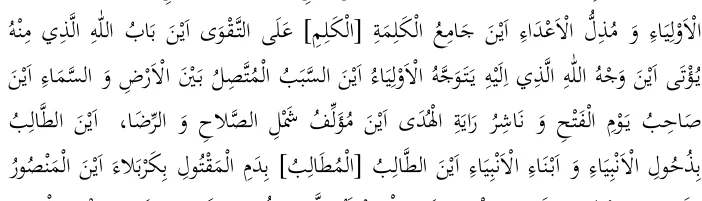
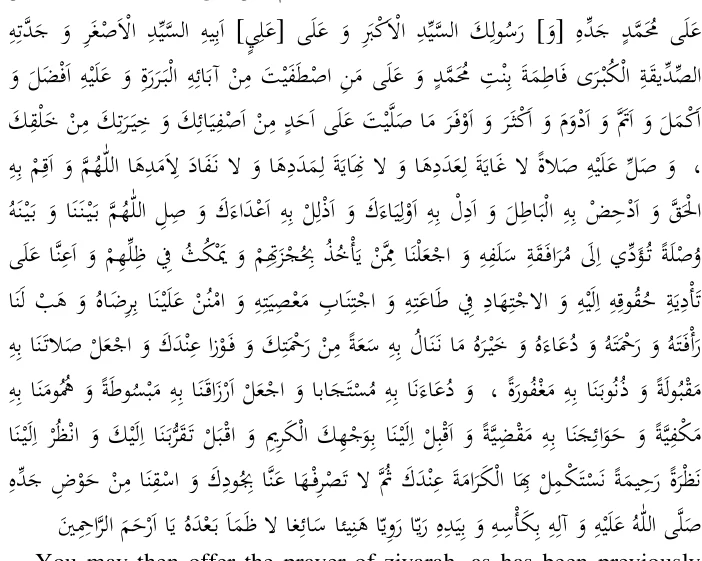
You may offer a two-unit prayer and then say the following words:

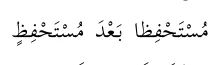
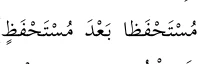
Arabic source text, PDF 717

(Al-Istighathah bi’l-Hujjah.) as quoted from the book of al-Kalim al-Tayyib

OTHER RITES AT THE SARDAAB

In his book of Misbah al-Za’ir, Sayyid Ibn Tawus has dedicated a chapter to the devotional acts at the holy vault where he has mentioned six forms of ziyarah. He then said: Attached to this chapter are the Supplication of Lamentation (Du’a’ al-Nudbah), the ziyarah form that is said every day after the Fajr (dawn) Prayer, which is the seventh form of ziyarah, the supplication known as Du’a’ al-’Ahd (Supplication of the Covenant) which we have been ordered to say in the Occultation Age, and the prayer that is said when we intend to leave that holy sanctuary.

Sayyid Ibn Tawus then starts mentioning these rites. Patterning after him, let us mention these rites in this blessed book:

FIRST RITE:

DUA AL NUDBAH

It is recommended to say this supplication on the four feast days; namely, the ‘Id al-Fitr day (1st of Shawwal), the ‘Id al-Azha day (10th of Dhu’l-Hijjah), the ‘Id al-Ghadir day (18th of Du’l-Hijjah), and Fridays.

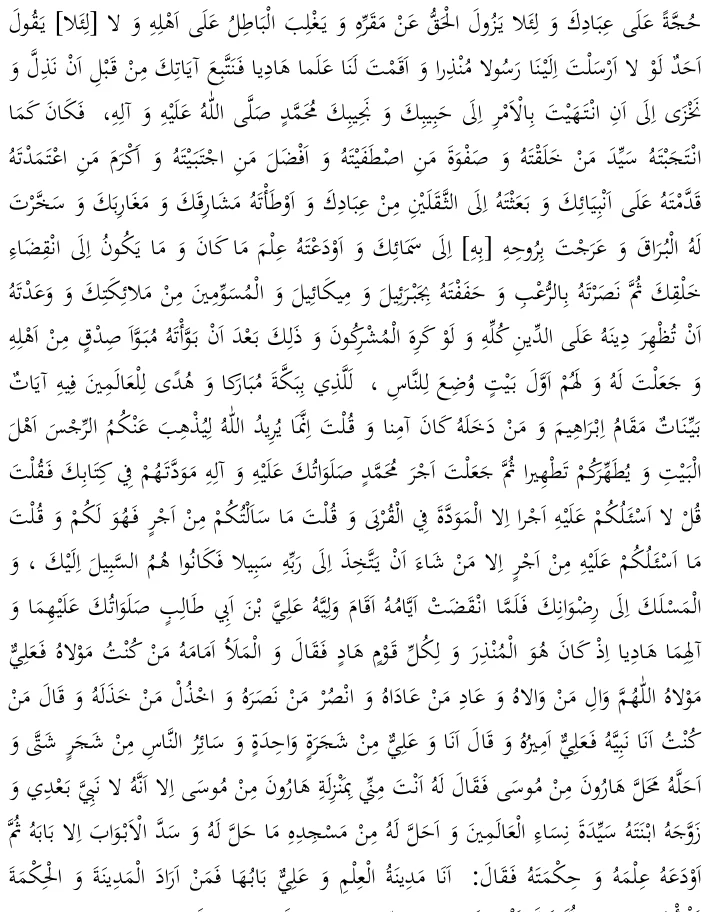
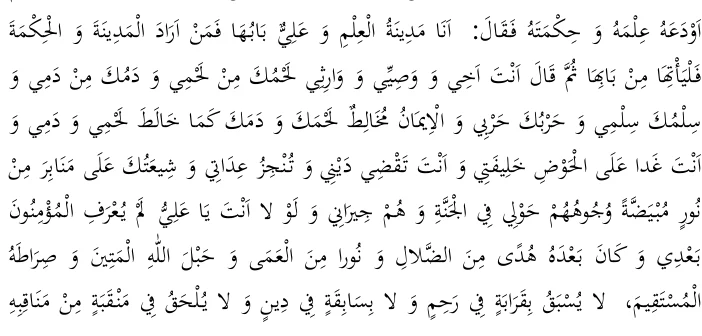
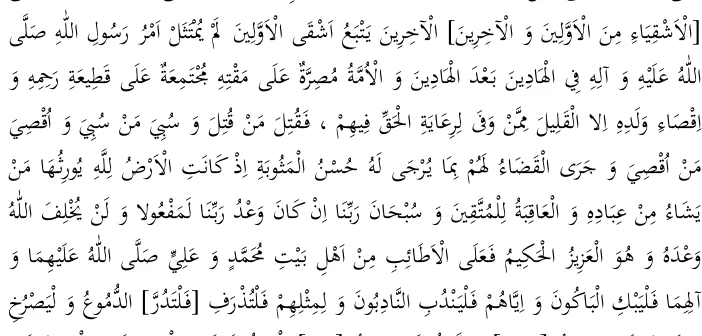
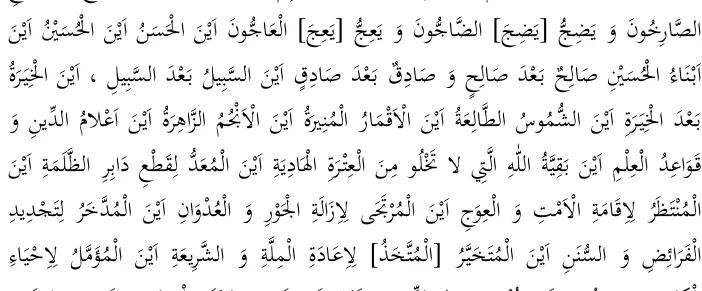
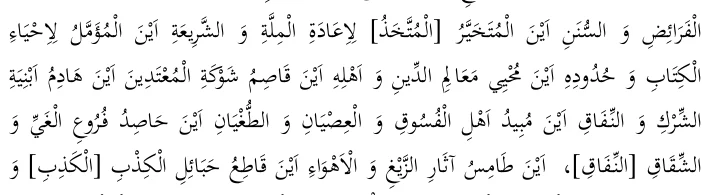
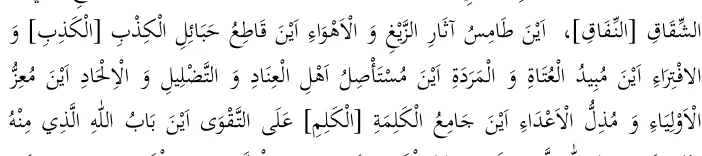
This supplication is as follows:
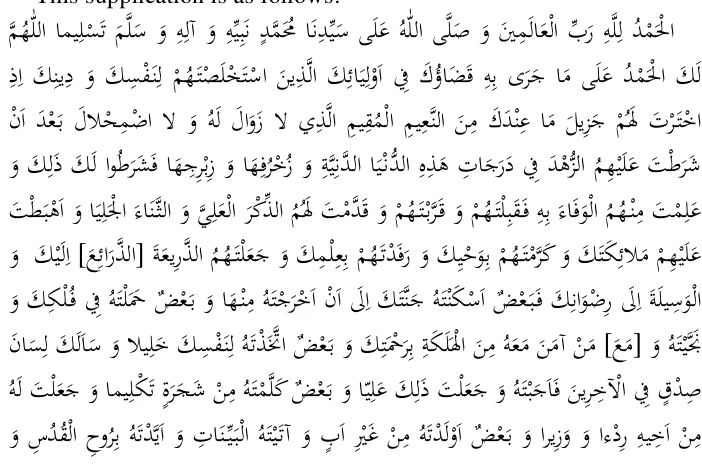
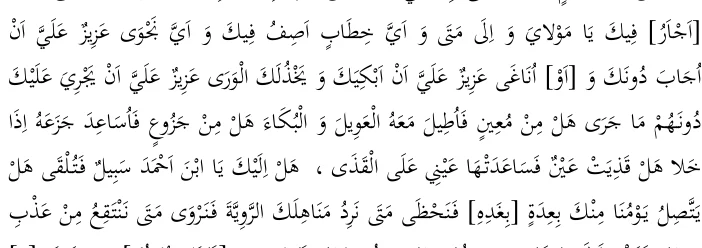
Arabic source text, PDF 717

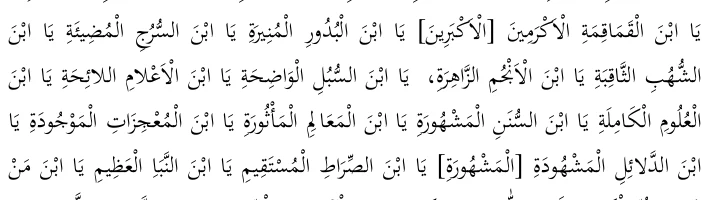
PDF p. 718

Arabic source text, PDF 718

]

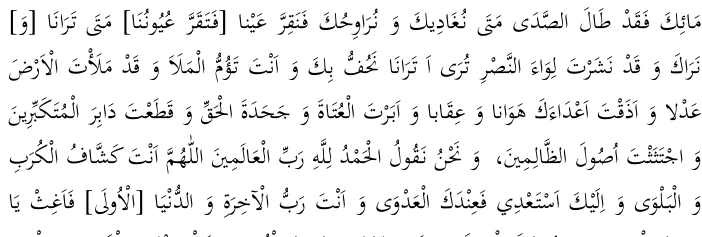
Arabic source text, PDF 718

[

Arabic source text, PDF 718

]

Arabic source text, PDF 718

[

Arabic source text, PDF 718

]

Arabic source text, PDF 718

[

Arabic source text, PDF 718

[

Arabic source text, PDF 718

:

Arabic source text, PDF 718

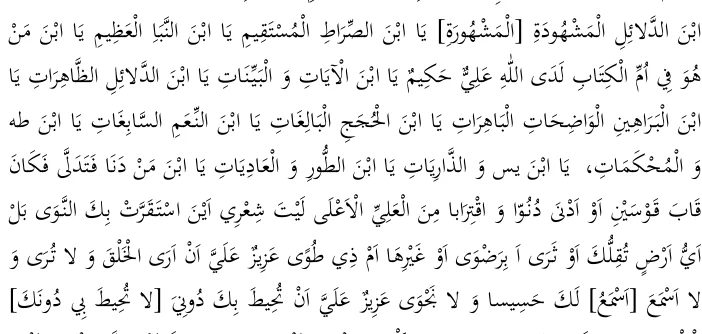
PDF p. 719

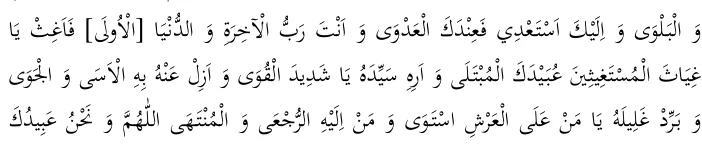
Arabic source text, PDF 719

]

Arabic source text, PDF 719

[

Arabic source text, PDF 719

]

Arabic source text, PDF 719

[ ]

Arabic source text, PDF 719

[

Arabic source text, PDF 719

]

Arabic source text, PDF 719

[

Arabic source text, PDF 719

]

Arabic source text, PDF 719

[

Arabic source text, PDF 719

]

Arabic source text, PDF 719

[

Arabic source text, PDF 719

]

Arabic source text, PDF 719

]

Arabic source text, PDF 719

[

Arabic source text, PDF 719

]

Arabic source text, PDF 719

]

Arabic source text, PDF 719

[

Arabic source text, PDF 719

]

Arabic source text, PDF 719

[

Arabic source text, PDF 719

]

Arabic source text, PDF 719

[

Arabic source text, PDF 719

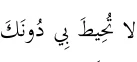
PDF p. 720

Arabic source text, PDF 720

]

Arabic source text, PDF 720

[

Arabic source text, PDF 720

]

Arabic source text, PDF 720

[

Arabic source text, PDF 720

]

Arabic source text, PDF 720

[

Arabic source text, PDF 720

]

Arabic source text, PDF 720

[

Arabic source text, PDF 720

]

Arabic source text, PDF 720

]

Arabic source text, PDF 720

[

Arabic source text, PDF 720

]

Arabic source text, PDF 720

]

Arabic source text, PDF 720

[

Arabic source text, PDF 720

]

Arabic source text, PDF 720

[

Arabic source text, PDF 720

]

Arabic source text, PDF 720

]

Arabic source text, PDF 720

[

Arabic source text, PDF 720

]

Arabic source text, PDF 720

[

Arabic source text, PDF 720

PDF p. 721

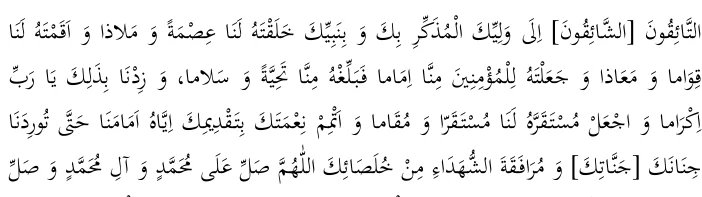
Arabic source text, PDF 721

]

Arabic source text, PDF 721

[

Arabic source text, PDF 721

]

Arabic source text, PDF 721

[

Arabic source text, PDF 721

]

Arabic source text, PDF 721

You may then offer the prayer of ziyarah, as has been previously described. After that, you may pray Almighty Allah for any thing you wish, and it will be granted for you, Allah willing.